
The board packet is due tomorrow. The bank balance is lower than last month, a government reimbursement is still pending, and the executive director wants a reliable cash projection before Thursday's grants committee meeting. The bookkeeper can explain what cleared, but nobody has turned those transactions into a decision about hiring, program spending, or reserves.
Thank you for reading this post, don't forget to subscribe!That gap is where a fractional CFO for nonprofits earns a place at the table. The role isn't cheaper access to an executive title. It's structured financial leadership for organizations that need board-ready information, disciplined cash planning, grant oversight, and compliance guidance without maintaining a full-time CFO position.
The need is becoming more visible. In a 2026 survey reported by The NonProfit Times, 81% of nonprofit respondents said they work with a finance and accounting partner, while 19% handle finance entirely in-house. That operating model fits Jacksonville and Northeast Florida nonprofits particularly well, where funding can combine government contracts, foundation grants, individual donations, and program revenue.
What a Fractional CFO Actually Does for a Nonprofit
A fractional CFO usually works a defined number of hours each month or quarter. They may attend finance committee and board meetings, prepare financial narratives, challenge assumptions in the budget, and advise the executive director, but they aren't on the payroll as a full-time executive.
That distinction matters because nonprofits often use the wrong person for the right problem. A bookkeeper records transactions and maintains the general ledger. An outsourced controller manages accounting processes, reconciliations, close procedures, and staff workflow. A full-time CFO leads the entire finance function every day and may manage a finance department. A fractional CFO provides executive-level strategy and oversight on a scheduled, limited basis.
The work behind the title
A typical engagement can include:
- Cash forecasting: Mapping expected receipts, payroll, vendor payments, grant reimbursements, and restricted cash so leadership can see pressure before it becomes a crisis.
- Board financial reporting: Turning the statement of financial position, statement of activities, and cash flow information into a concise explanation of what changed and what requires a decision.
- Restricted-fund tracking: Separating donor-restricted and government-restricted resources from unrestricted operating cash, then tying spending to the applicable grant or gift purpose.
- Audit liaison work: Organizing schedules, answering auditor questions, documenting internal controls, and coordinating responses with staff and the external CPA.
- Executive guidance: Helping the executive director evaluate program expansion, hiring, capital purchases, fundraising campaigns, and funding concentration.
- Governance support: Preparing the finance committee to ask useful questions rather than approving a packet it hasn't had time to understand.
A useful resource for organizations working with specialized nonprofit funding is CEFCore's guide to financial reporting for nonprofits. It reinforces a practical point. Reporting isn't just a back-office obligation, it's part of how a nonprofit demonstrates stewardship to its board, donors, lenders, and grantmakers.
Where the role pays for itself
The fractional CFO shouldn't duplicate bookkeeping. That wastes money and creates confusion about who owns the numbers. The CFO should interpret the numbers, establish a repeatable reporting rhythm, identify risk, and give leadership options before a decision becomes urgent.
For a broader explanation of the role, review what fractional CFO services include. The engagement only earns its fee when it frees the executive director to fundraise and lead programs, while the board spends its time governing instead of chasing spreadsheets.
Practical rule: The CFO prepares and explains the information. Independent directors review, challenge, and approve it.
That separation is especially important because the finance or audit committee provides independent oversight of financial reporting, internal controls, and the external audit process, while the board retains ultimate fiduciary responsibility, as outlined in this nonprofit governance guide.
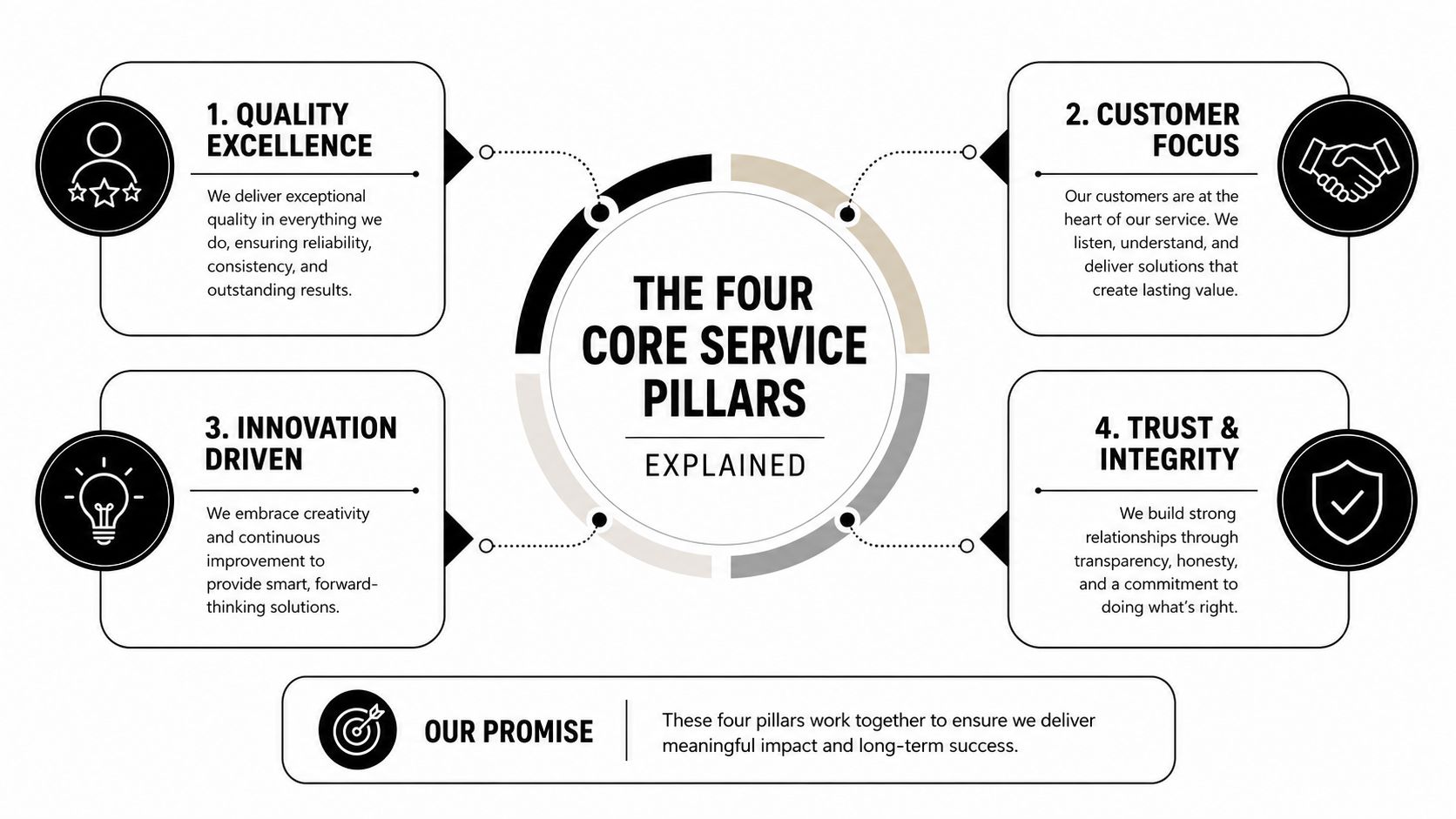
The Four Core Service Pillars Explained
A nonprofit fractional CFO engagement should rest on four distinct pillars. If one is missing, the organization may receive polished reports without reliable decisions, or accurate accounting without enough liquidity discipline to protect the mission.
Strategic financial leadership
The first pillar connects money to mission. A fractional CFO builds a multi-year forecast, models different funding and spending scenarios, and explains how program choices affect sustainability. A board shouldn't have to choose between “grow” and “don't grow” without seeing the cash, staffing, grant, and reserve consequences of each path.
The CFO also turns financial statements into a board-ready story. That may mean showing why program revenue increased while unrestricted liquidity weakened, or explaining why a grant appears profitable until the organization accounts for the staff time and administrative burden required to deliver it.
Compliance and reporting
Compliance includes more than filing Form 990. The engagement may cover audit preparation, donor-restricted fund accounting under ASC 958, grant reporting, internal-control documentation, and readiness for a Uniform Guidance single audit when federal expenditures approach the applicable threshold.
A CFO should maintain a calendar that assigns each filing, report, approval, and supporting schedule to a specific owner. “We thought someone had it” is not an internal control.
Cash and treasury management
Nonprofits commonly use an operating-reserve benchmark of three to six months of operating expenses, calculated as unrestricted, liquid funds divided by average monthly operating expenses, according to guidance on nonprofit operating reserves. Restricted money can make the bank account look healthier than the organization's actual operating runway.
The CFO should report unrestricted cash separately, monitor concentration risk when one grant source supplies a large share of the budget, and document short-term investment and deposit policies. During cash stress, the board needs trigger points for slowing discretionary spending, sequencing approved draws, and escalating a funding delay.
Operational finance infrastructure
The fourth pillar makes the other three dependable. Work may include cleaning up the chart of accounts, improving the month-end close, connecting a donor CRM to the general ledger, configuring QuickBooks Online Nonprofit or another fund-accounting system, and building dashboards for program cost, grant burn rate, liquidity, and budget variance.
Automation doesn't eliminate the need for judgment. A 2025 nonprofit technology report found that 78% of CFOs say more than half of their finance processes are already automated, while the same report describes organizations using technology-enabled finance functions, as detailed in the 2025 Nonprofit Technology Impact Report. The strategic question is whether someone can interpret the output, test the restrictions, and explain the result to directors.
2026 Compliance and Tax Law Changes Nonprofits Cannot Ignore
Tax and compliance work becomes dangerous when a nonprofit treats each filing as an isolated task. A fractional CFO should connect donor communications, accounting policy, reporting thresholds, grant terms, and board documentation.
Beginning in 2026, U.S. itemized charitable deductions for individuals are limited by a new 0.5% adjusted gross income floor, so only giving above 0.5% of AGI is deductible. Corporate taxpayers face a comparable 1% floor on taxable income, according to this summary of provisions affecting nonprofit organizations.
That change doesn't eliminate the case for giving, but it can change the donor conversation. Development staff should coordinate with tax advisers, review planned-giving language, and consider whether non-cash asset strategies deserve more attention. The nonprofit should also update its gift acceptance policy so staff know which gifts require additional review before acceptance.
Reporting and accounting actions
For payments made after December 31, 2025 and before January 1, 2027, the IRS reporting threshold under section 6041(a) is $2,000, up from $600 before 2026, as stated in this IRS tax bulletin. Finance teams should review vendor files, payment coding, W-9 collection, and year-end information-reporting procedures this quarter.
Small entities also need to watch accounting-method rules. IRS small-entity guidance identifies exceptions under sections 263A, 448, 460, and 471 for businesses with average annual gross receipts not exceeding $25,000,000, adjusted for inflation, as explained in the IRS small-entity compliance guides. A nonprofit should not assume a threshold applies automatically. Its CPA and CFO should evaluate the organization's facts, reporting requirements, lender covenants, and grant terms before changing methods.
Use this checklist as a working document rather than a substitute for legal or tax advice.
| Compliance Item | Effective Date | Action This Quarter |
|---|---|---|
| Individual charitable deduction floor | Beginning in 2026 | Update donor-facing materials and review planned-giving and non-cash gift strategies with the tax adviser. |
| Corporate charitable deduction floor | Beginning in 2026 | Identify corporate donors who may need revised tax-planning information. |
| Section 6041(a) reporting threshold | Payments after December 31, 2025 and before January 1, 2027 | Review vendor records, payment coding, W-9 procedures, and information-reporting workflows. |
| Small-entity accounting rules | Current compliance planning | Ask the CPA to assess applicable accounting-method exceptions and grant or lender requirements. |
| Form 990 | Annual filing cycle | Use a documented preparation calendar and review Form 990 filing requirements before the return reaches the board. |
| State charitable solicitation filings | State renewal schedule | Confirm Florida registration and renewal dates with the organization's compliance adviser. |
| Executive compensation and intermediate sanctions documentation | Ongoing governance | Schedule a mid-year board or compensation committee review with written comparability and approval records. |
The treasurer shouldn't be left to handle all of this alone. A fractional CFO can lead the mid-year board training, explain what directors are approving, and document the questions that need follow-up.
Cost Models, Deliverables, and KPIs to Put on Paper
Price should follow complexity, not the prestige of the title. A small organization with clean books and a narrow project may need a defined engagement, while a nonprofit with multiple grants, weak controls, and cash pressure needs recurring access to senior judgment.
The pricing ranges below are common planning figures for a Jacksonville-area nonprofit engagement, not guaranteed quotes. Actual fees depend on transaction volume, staff capability, systems, grant complexity, meeting cadence, and whether audit or cleanup work is included.
| Cost Model | Typical Price (Jacksonville 2026) | Included Deliverables | KPI Targets |
|---|---|---|---|
| Monthly retainer | $3,500–$8,000 | Recurring close review, cash forecast, board reporting, committee support, budget oversight | Days to close, unrestricted reserve months, reporting timeliness |
| Hourly project billing | $250–$450 per hour | Audit preparation, system cleanup, budget model, grant or transition project | Milestones completed, open audit items, forecast accuracy |
| Hybrid scope-based package | Retainer plus defined project fees | Core monthly oversight with separately priced audit, implementation, or strategic projects | Close speed, allocation accuracy, Form 990 readiness |
A monthly retainer may provide continuity but can become wasteful if the scope is vague. Hourly work gives the board cost visibility, but the meter can discourage staff from asking necessary questions. A hybrid arrangement often works when the nonprofit needs steady reporting plus occasional concentrated work.
Deliverables worth specifying
Put the following in the engagement letter:
- Monthly close package: Financial statements, variance explanations, reconciliations review, and a close completed within an agreed number of business days.
- Liquidity dashboard: Unrestricted cash, operating-reserve months, upcoming obligations, and expected grant or donor receipts.
- Program analysis: Functional expense allocation, program cost, revenue coverage, and grant burn rate.
- Quarterly board memo: Plain-English conclusions, risks, recommended actions, and decisions required from directors.
- Annual budget roll-forward: Budget versus actual results, assumptions, amendments, and the next planning cycle.
The organization should track these measures through a business performance metrics dashboard, or a comparable system that the board can understand without a finance degree.
Contract test: If the engagement letter doesn't name the reports, deadlines, meeting cadence, and decision rights, it isn't a scope. It's a hope.
How to Evaluate and Hire the Right Fractional CFO
A board should vet a fractional CFO the way it would vet any person entrusted with sensitive financial authority. Start with nonprofit experience, not a generic small-business résumé. Ask whether the candidate has supervised Form 990 preparation, supported audits, managed restricted funds, and presented difficult financial information to directors.
Fund-accounting fluency matters. Candidates should be comfortable with systems such as MIP, Abila, and QuickBooks Online Nonprofit, but software familiarity isn't enough. The CFO must understand the organization's funding agreements and be able to explain why a balance is available, restricted, committed, or unavailable for general operations.
Questions that reveal practical judgment
Ask candidates to answer these questions with specific examples:
- Walk me through your last audit from preparation to sign-off.
- How do you separate restricted funds from unrestricted liquidity in board reporting?
- What would you review during the first month of an engagement?
- How do you build a cash forecast when grant reimbursements are delayed?
- How do you handle a program that meets its mission goal but loses money?
- Which reports should the finance committee receive monthly, and which belong quarterly?
- How do you test functional expense allocations?
- How would you clean up a chart of accounts without disrupting the close?
- What does your Form 990 supervision process look like?
- Which decisions belong to the executive director, the CFO, the treasurer, and the full board?
Request references from organizations with similar size, funding structure, and reporting demands. A reference should be able to describe how the candidate behaved when cash tightened, not just how pleasant the monthly meetings were.
Red flags and contract safeguards
Be cautious if the candidate offers a generic small-business pitch, has no meaningful audit history, refuses to sign a defined scope, or guarantees grant outcomes. A CFO can improve financial readiness and decision-making, but no consultant can promise that a funder will approve an application.
The contract should define confidentiality, data access, deliverables, response expectations, meeting attendance, ownership of workpapers, transition assistance, and termination terms. It should also state who approves payments, who releases restricted funds, and how the CFO's recommendations reach the board without bypassing management.
Real-World Case Examples for Nonprofit Organizations
The following examples are representative planning scenarios, not claims about identified clients. They show what changes when the organization gives financial leadership a defined mandate and accepts the operational discipline required to support it.
Case A, a human services agency
A Jacksonville-area human services agency with $1.8 million in annual revenue was closing its books in 45 days. The board received financial information after the most useful decision window had passed, and the organization carried only 1.8 months of operating reserves.
The fractional CFO did not begin with a complex dashboard. The first work involved closing checklist ownership, bank and balance-sheet reconciliations, grant schedule cleanup, and a cash forecast that distinguished unrestricted resources from restricted balances. Program managers also had to submit spending information on a consistent schedule.
Within the representative scenario, the close moved to 12 days, reserves increased to 4.2 months, and the organization received an unmodified audit opinion. The board packet became shorter because the underlying schedules were cleaner, not because the board stopped asking questions.
The trade-off was real. Staff spent more time coding expenses correctly, managers gave up informal purchasing habits, and leadership postponed some program expansion while reserves rebuilt. Faster reporting came from repeatable processes, not from asking one exhausted bookkeeper to work late.
Case B, a youth program
A smaller youth organization with $650,000 in annual revenue had an executive director doing the books between program responsibilities. Financial statements arrived inconsistently, and functional expense allocation was not reliable enough for confident program analysis.
The fractional CFO separated bookkeeping tasks from review responsibilities, established a monthly close calendar, documented allocation methods, and coordinated the Form 990 file earlier in the year. In the representative scenario, the return was ready 60 days early, and the first functional-expense allocation was accurate within 2% after the organization tested the method against supporting records.
That improvement required the executive director to stop being the only person who knew how transactions were handled. The organization also had to pay for accounting support before it felt financially comfortable doing so. The benefit was not merely cleaner statements. The board could see which programs consumed unrestricted support and could ask whether fundraising and pricing matched that reality.
Good financial leadership doesn't remove hard choices. It makes the choices visible early enough to matter.
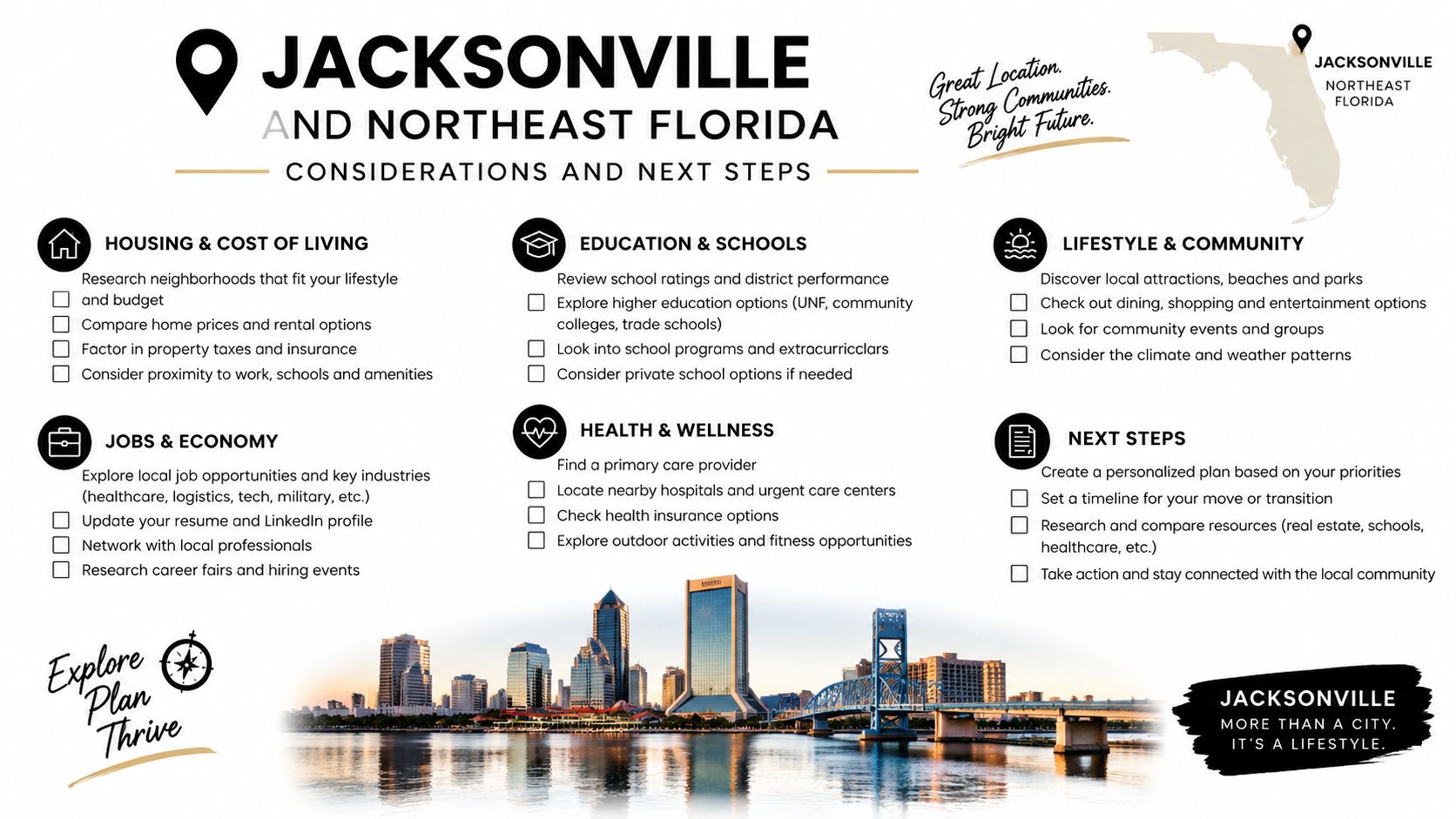
Jacksonville and Northeast Florida Considerations and Next Steps
A nonprofit in Jacksonville rarely operates with one clean revenue stream. City and county contracts may reimburse on a different rhythm from foundation awards, individual giving, or earned program revenue. Local organizations may also interact with funders such as the Jessie Ball duPont Fund, the Delores Barr Weaver Policy Center, and United Way of Northeast Florida, each with its own reporting expectations and relationship dynamics.
Florida oversight adds another layer. The organization should track filings and renewals under the Florida Department of Agriculture and Consumer Services and confirm the requirements associated with the state's Solicitation of Contributions Act. A fractional CFO doesn't replace counsel or a compliance specialist, but the CFO can maintain the calendar, assign owners, and ensure the board sees unresolved items.
Why local cash planning is different
Seasonal giving, tourist-area activity, hurricane-season pressure, and payroll cycles tied to major employers in the JEA and port regions can affect when donors and partners have cash available. Those patterns don't justify invented forecasts. They do justify building scenarios that identify what happens if a reimbursement arrives late, a campaign underperforms, or emergency operating costs rise.
The sector's reserve position makes that work urgent. Recent data reports that 85% of nonprofits have six months or less of unrestricted reserves, while 40% say a 60–90 day delay in government funding would cause operational disruption, according to sector coverage of nonprofit financial conditions. For a Jacksonville board, the right question isn't only whether it can afford fractional CFO services. It's whether the organization has clear triggers, authority lines, and contingency plans before a delayed contract payment becomes a payroll problem.
Northeast Florida offers useful hiring and referral resources, including accounting graduates from the University of North Florida and Jacksonville CPAs who specialize in 501(c)(3) audits. Those relationships can support the accounting bench, but a fractional CFO is still responsible for executive interpretation and governance communication.
A practical seven-step start
- Audit the last three Form 990 filings: Note recurring disclosures, unusual changes, and questions the board never answered.
- Calculate unrestricted-reserve months: Use unrestricted, liquid funds divided by average monthly operating expenses.
- Map grant compliance deadlines: Include reports, reimbursement requests, match requirements, renewals, and audit support.
- Draft a focused RFP: State the systems, funding mix, board cadence, reporting needs, and immediate risks.
- Score candidates on nonprofit KPIs: Evaluate close timing, forecast quality, allocation accuracy, audit readiness, and communication.
- Negotiate the engagement letter: Define deliverables, authority, confidentiality, data ownership, and termination procedures.
- Schedule a 90-day board review: Decide what improved, what remains exposed, and whether the scope should change.
Bookkeeping and Accounting of Florida Inc. offers nonprofit bookkeeping, accounting, audit support, compliant reporting, and fractional CFO services for organizations that need clearer cash planning and board guidance without a full-time finance executive. Visit Bookkeeping and Accounting of Florida Inc. to discuss your current reporting gaps, funding mix, compliance calendar, and the next practical step.